One of the most common questions I hear in clinic is whether people should start anti-wrinkle injections before they develop visible wrinkles.
The idea of "preventative Botox" has become increasingly popular over the past decade, particularly through social media. The concept is simple: if repeated muscle movement contributes to wrinkles over time, then reducing that movement earlier may help slow the formation of those lines.
There is certainly some truth to that idea.
However, I think the conversation is often oversimplified.
Wrinkles are a normal part of ageing. They are not a disease, and not every line needs to be treated. The goal should never be to eliminate every sign of facial movement or ageing. Instead, it should be to help people age well while maintaining a natural and healthy appearance.
When people think about wrinkles, they often assume they are caused by facial movement alone.
In reality, wrinkles develop as a result of multiple factors working together over many years.
Facial expression plays a role, but so do sun exposure, genetics, collagen loss, elastin degradation, skin hydration, lifestyle factors and the natural ageing process itself.
This is one reason why two people of the same age can look dramatically different despite having similar facial expressions.
Wrinkles are not simply the result of smiling, laughing or frowning. They are the result of how the skin responds to those movements over time.
One of the most important concepts in cosmetic medicine is understanding the difference between dynamic and static wrinkles.
Dynamic wrinkles are lines that appear when the face moves. These are the forehead lines that appear when you raise your eyebrows, the crow's feet that appear when you smile, or the frown lines that develop when you concentrate.
Static wrinkles are different. These lines remain visible even when the face is completely relaxed.
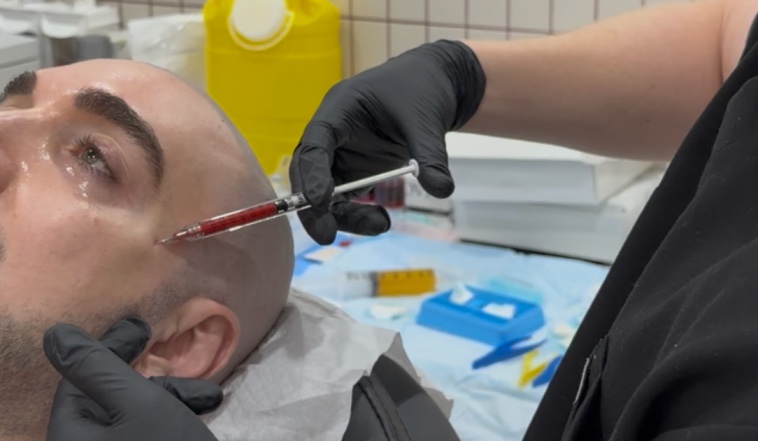
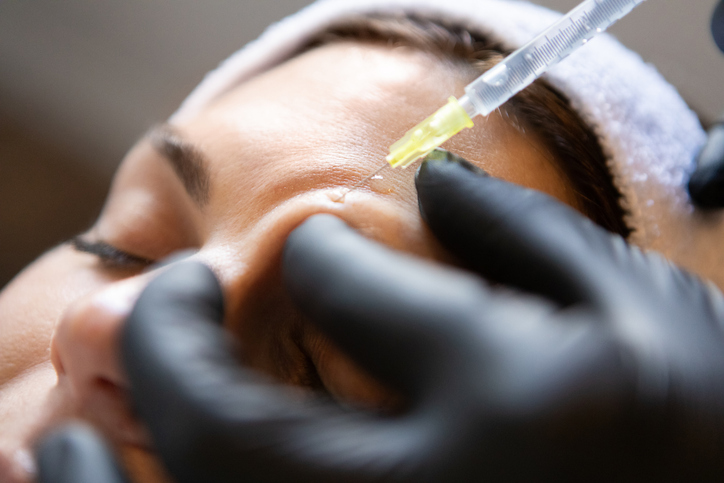
Anti-wrinkle injections are particularly effective at reducing dynamic wrinkles. By relaxing specific muscles, they decrease the repetitive folding of the skin that contributes to wrinkle formation.
Over time, this may also help slow the progression of static wrinkles in some patients.
This is where the concept of prevention comes from.
There are certainly situations where preventative treatment can be beneficial.
Some patients have very strong facial muscles and develop deep expression lines relatively early in life. Others have a strong family history of prominent forehead or frown lines.
In these individuals, conservative treatment may reduce the repetitive stress placed on the skin and potentially slow the development of deeper etched lines.
The key word, however, is conservative.
The goal should not be to freeze the face. It should be to soften excessive movement while preserving natural expression.
When performed thoughtfully, anti-wrinkle treatments can help maintain a refreshed appearance without making someone look artificial or overtreated.
Not everyone needs anti-wrinkle injections.
In fact, many younger patients have excellent skin quality, minimal visible lines and no strong indication for treatment.
Starting treatment simply because it is fashionable or because someone believes they should be doing something is rarely a good reason.
Some people will benefit from treatment earlier. Others may not require treatment until much later in life. Many may choose not to pursue treatment at all.
All of these approaches are reasonable.
Good cosmetic medicine should be tailored to the individual rather than driven by trends.
One of my biggest concerns with the way anti-wrinkle treatments are often portrayed online is the suggestion that movement itself is undesirable.
Facial expression is a normal and important part of human communication.
We smile, laugh, frown and raise our eyebrows for a reason. These movements help us connect with other people and express emotion.
I do not believe the goal of treatment should be to remove all facial movement.
In many cases, the most natural results come from preserving expression while reducing excessive muscle activity. People should still look like themselves. They should simply look more rested, refreshed or less concerned by lines that bother them.
This may not be the answer many people expect from a cosmetic doctor, but if I could choose only one anti-ageing intervention for most patients, it would probably be sunscreen.
Ultraviolet radiation is one of the largest contributors to premature skin ageing. It accelerates collagen breakdown, damages elastin fibres, contributes to pigmentation and affects overall skin quality.
No injectable treatment can fully compensate for years of unprotected sun exposure.
The patients who tend to age best are often not those receiving the most treatments. They are the ones who consistently protect their skin from the sun.
Another aspect of prevention that is frequently overlooked is skin quality.
Healthy skin is often more important than wrinkle-free skin.
Collagen production, hydration, skin texture, pigmentation and overall skin health all influence how youthful someone appears. In many cases, improving skin quality can produce a greater aesthetic benefit than reducing a small amount of facial movement.
This is one reason I often discuss skincare, sunscreen and collagen-stimulating treatments alongside injectables rather than viewing them as separate conversations.
The best long-term outcomes usually come from addressing both skin health and facial movement where appropriate.
So, is prevention the best medicine when it comes to anti-wrinkle injections?
Sometimes.
For the right patient, conservative anti-wrinkle treatments may help slow the development of deeper expression lines and maintain a refreshed appearance over time.
However, I don't believe everyone needs treatment, nor do I believe preventing every wrinkle should be the goal.
Ageing is a normal part of life. The objective should not be to look 25 forever. It should be to maintain healthy skin, preserve natural expression and make thoughtful decisions that support ageing well.
In many cases, the best preventative treatment isn't an injectable at all.
It's sunscreen, good skincare and taking care of the skin you already have.
-
Written by Dr Brandon Kober-Brown MBBS, ProfDipMensHlth, GCCM
Registered Medical Practitioner (General Registration)MED0002581903
Disclaimer: This article is intended for general educational purposes only and should not be taken as personal medical advice. It is not a substitute for a consultation with a registered medical professional. Suitability for skin and other treatments varies between individuals and should be assessed by an appropriately qualified practitioner.


Potts Point Clinic
Shop Ground 2 / 46a Macleay Street Potts Point NSW 2011