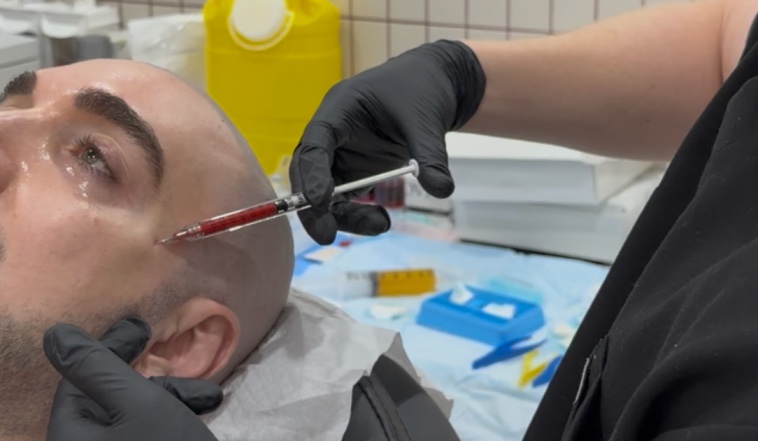
If you’ve spent more than about seven seconds on wellness Instagram lately, you’ve probably heard somebody talking about NAD+.
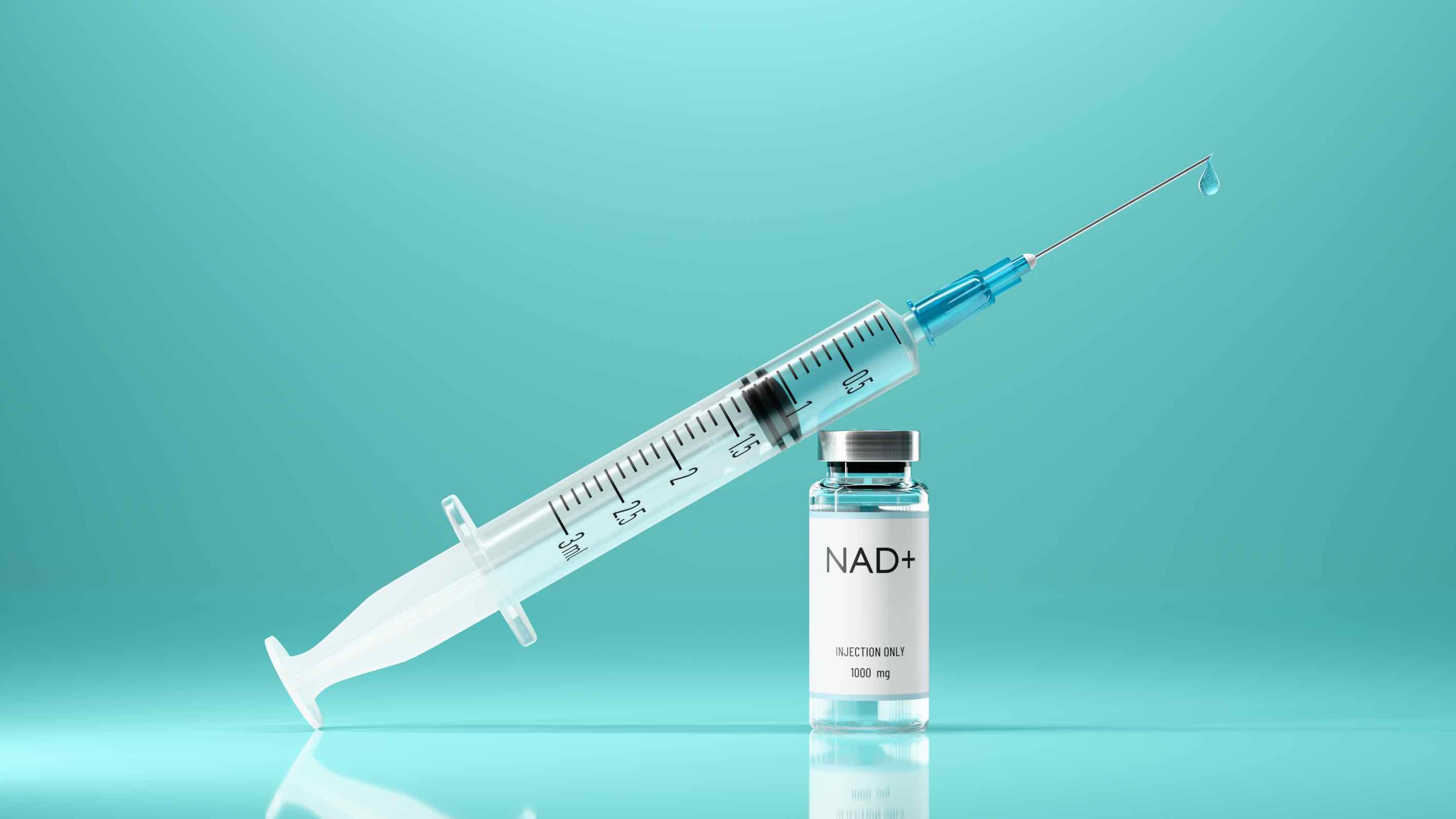
Usually accompanied by:
As always with health trends, the truth sits somewhere between:
“this is completely useless”
and
“this will make you immortal.”
Spoiler alert:
You are still going to age.
But NAD+ is interesting. Very interesting, actually.
The problem is that social media has taken a fairly complex area of cellular biology and turned it into what sounds like liquid youth in a drip bag.
That’s… slightly optimistic.
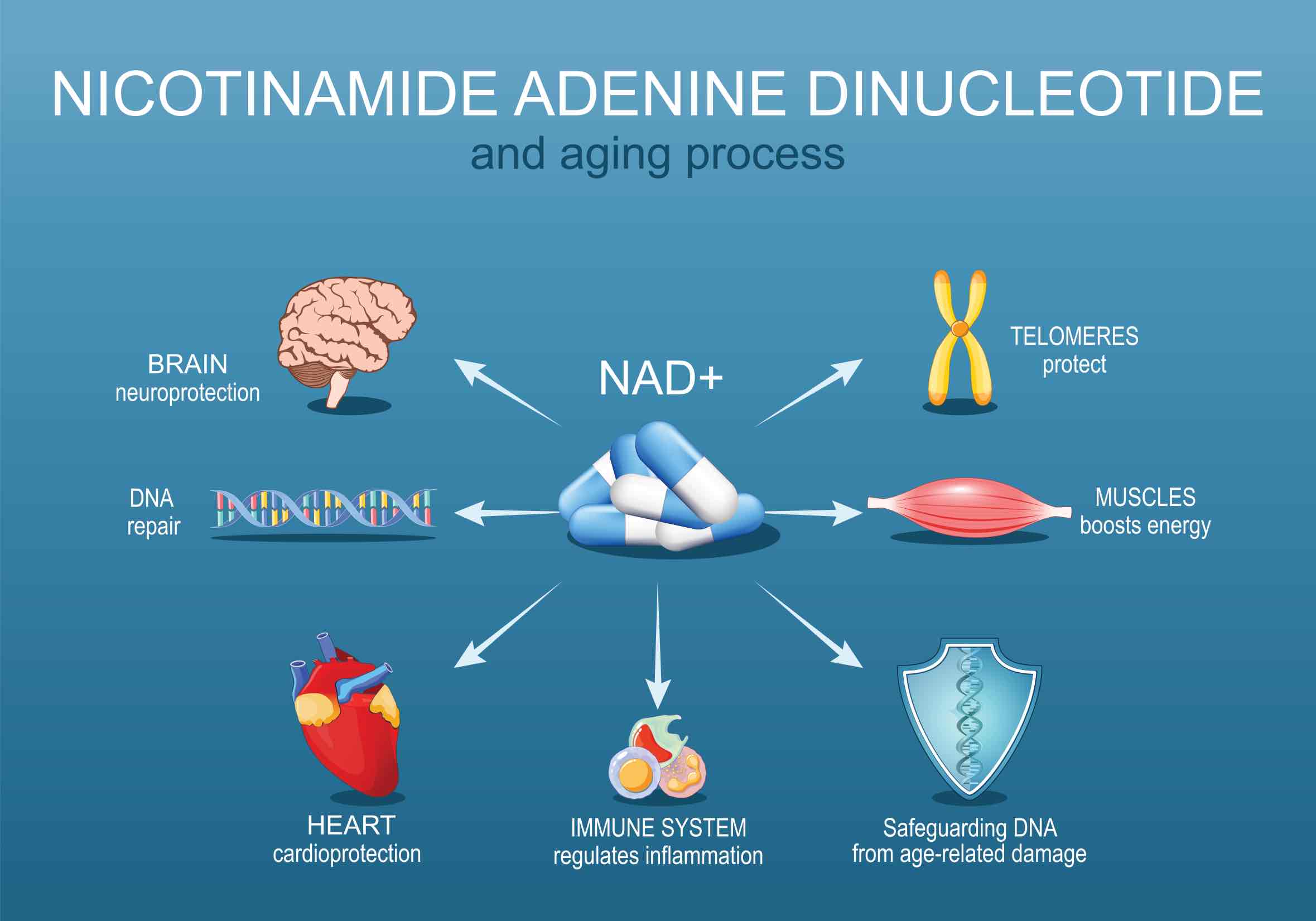
NAD+ stands for nicotinamide adenine dinucleotide.
Catchy, I know!
In simple terms, it’s a molecule naturally found in your body that plays a major role in:
Basically, your cells use NAD+ constantly.
Without getting too nerdy, it’s heavily involved in helping cells convert nutrients into usable energy. It also interacts with proteins called sirtuins, which are associated with ageing, inflammation, and cellular stress responses.
This is why the longevity world became obsessed with it.
This part appears to be true.
As we age, NAD+ levels gradually decrease.
That decline has been associated with:
Now before wellness influencers start levitating:
Association does not automatically mean causation.
Just because NAD+ declines with age does not necessarily mean aggressively replacing it suddenly turns you into a 22-year-old with excellent knees and emotional resilience.
Biology is unfortunately more complicated than that.
The theory behind NAD+ therapy is relatively straightforward.
If NAD+ levels decline with age, perhaps increasing NAD+ availability may support:
This has led to:
The wellness industry moves quickly when there’s even a whiff of longevity science involved.
This is where things become important.
There is some genuinely interesting early research surrounding NAD+ pathways and ageing biology.
Animal studies have shown promising findings involving:
But human evidence is still evolving.
And that distinction matters enormously.
Because social media often talks about NAD+ as though the science is already settled.
It isn’t.
At the moment, the evidence for dramatic anti-ageing claims in humans is nowhere near as strong as wellness marketing would have you believe.
That doesn’t mean it’s useless.
It just means we need to stay scientifically honest.
This part is slightly concerning.
Many patients book NAD+ treatments having absolutely no idea:
They’ve simply heard:
“biohacking”
“longevity”
“cellular repair”
and suddenly they’re lying in a recliner attached to a very expensive drip.
A proper medical discussion should involve:
Because no IV drip on Earth is going to outcompete:
Anecdotally, many patients who receive NAD+ therapy report:
Some feel fantastic.
Some feel absolutely nothing.
Some feel mildly nauseated during infusions.
Human biology is variable.
And importantly, subjective wellness improvements do not automatically prove a treatment is reversing ageing.
Those are two very different conversations.
Regardless of where NAD+ ultimately lands scientifically, one thing is very clear:
Longevity and preventative health medicine are going to become enormous over the next decade.
Patients are becoming increasingly interested in:
Honestly, I think that’s a good thing.
The issue is making sure science stays ahead of marketing.
Because the wellness space can become the Wild West very quickly.
NAD+ is not snake oil.
But it’s also not magic.
The underlying biology is genuinely interesting, and the research around ageing pathways, mitochondrial function, and cellular repair is evolving rapidly.
But many of the bold anti-ageing claims currently circulating online are running far ahead of the evidence we actually have in humans.
At the moment, the most evidence-based things you can still do for longevity remain remarkably boring:
Not nearly as sexy as a futuristic IV drip, unfortunately.
But biology rarely cares about marketing!
-
Written by Dr Brandon Kober-Brown MBBS, ProfDipMensHlth, GCCM
Registered Medical Practitioner (General Registration)MED0002581903
Disclaimer: This article is intended for general educational purposes only and should not be taken as personal medical advice. It is not a substitute for a consultation with a registered medical practitioner. Suitability for NAD+ and other treatments varies between individuals and should be assessed by an appropriately qualified practitioner.


Potts Point Clinic
Shop Ground 2 / 46a Macleay Street Potts Point NSW 2011