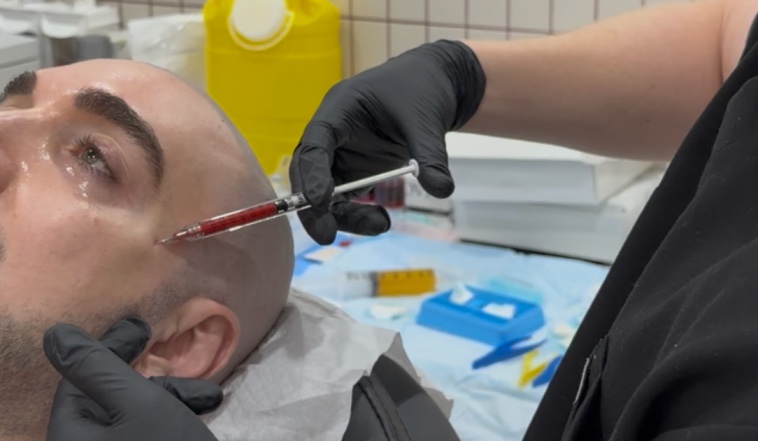
Azelaic acid is a naturally occurring dicarboxylic acid that offers a unique combination of antibacterial, anti inflammatory and pigment regulating effects. It is one of the most versatile medical skincare ingredients and is widely used in acne, rosacea and pigmentation management.
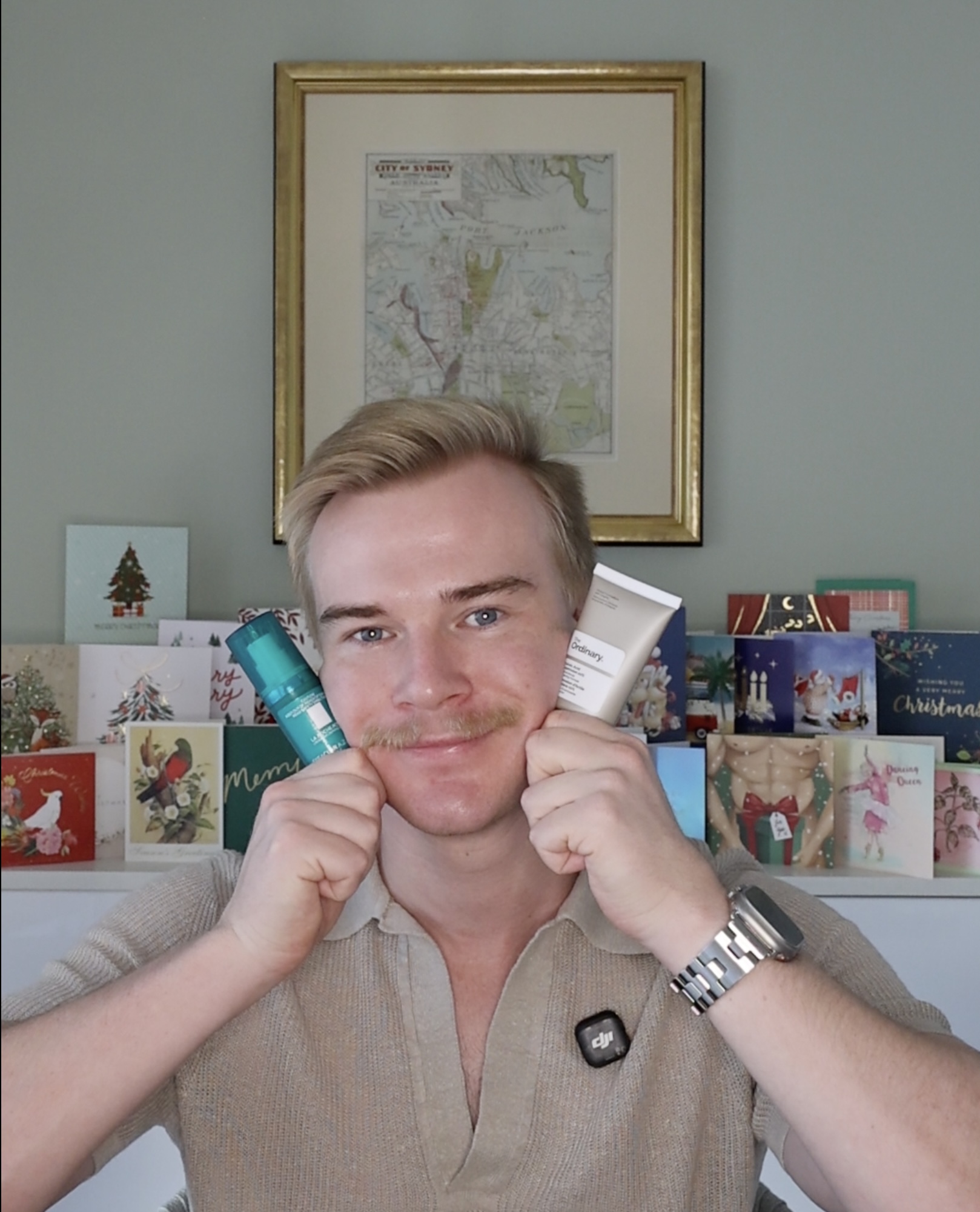
Unlike many acids that focus mainly on exfoliation, azelaic acid works through multiple biological pathways. It reduces the growth of acne causing bacteria, calms inflammatory responses and helps normalise how skin cells shed within the pore.
Azelaic acid reduces bacterial load, decreases inflammation and helps prevent blocked pores. It is particularly useful for inflammatory acne, adult acne and sensitive acne prone skin.
It does not cause bacterial resistance and can be used long term.
Azelaic acid has strong anti inflammatory properties. It is widely used in rosacea management to reduce redness, flushing and inflammatory papules.
Azelaic acid inhibits tyrosinase, the enzyme involved in melanin production. This makes it effective for:
• Post inflammatory hyperpigmentation
• Melasma
• Uneven skin tone
• Red and brown acne marks
By normalising cell turnover, azelaic acid helps smooth texture and reduce congestion without aggressive exfoliation.
Most people tolerate azelaic acid well. It can often be used once or twice daily depending on formulation and skin sensitivity.
People with very sensitive skin or compromised barriers should introduce azelaic acid gradually.
Azelaic acid does not significantly increase sun sensitivity, but daily sunscreen is still essential when treating pigmentation.
Azelaic acid is one of the most effective ingredients for managing acne, redness and pigmentation at the same time. It is well tolerated, suitable for long term use and particularly valuable for sensitive or rosacea prone skin.
-
Written by Dr Brandon Kober-Brown MBBS, ProfDipMensHlth, GCCM
Registered Medical Practitioner (General Registration) MED0002581903


Potts Point Clinic
Shop Ground 2 / 46a Macleay Street Potts Point NSW 2011