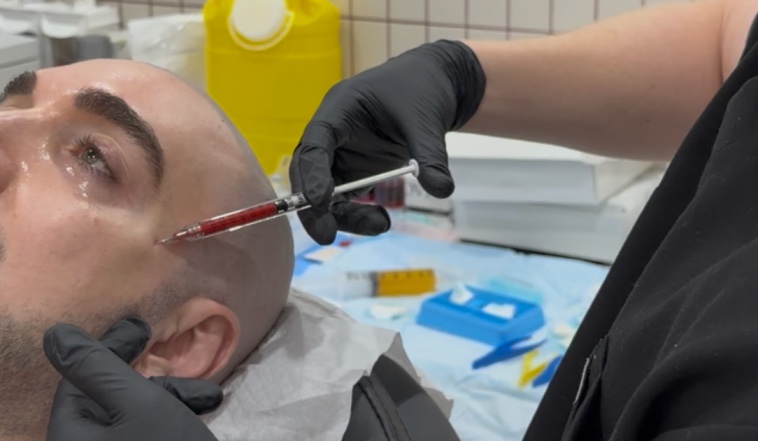
PRP stands for platelet rich plasma. It is a regenerative treatment that uses components derived from your own blood to support tissue repair, collagen stimulation and hair follicle health. PRP works by delivering biological signals that influence how cells heal, repair and regenerate. Rather than adding volume or altering facial structure, PRP works by supporting the skin and scalp at a cellular level.
PRP is created by taking a sample of blood and processing it to concentrate platelets while separating out red blood cells and excess inflammatory components. The result is plasma that is rich in platelets and growth factors involved in tissue repair.
Platelets contain signalling molecules that play an important role in wound healing, collagen formation, blood vessel growth and cellular communication. When concentrated and delivered back into targeted areas, these signals can influence how surrounding cells behave.
When PRP is introduced into the skin, platelets release growth factors that activate repair and remodelling pathways. This can support increased collagen production, improved skin thickness and enhanced overall skin quality.
In the skin, PRP is commonly used to support:
• Collagen and elastin formation
• Skin firmness and thickness
• Texture and tone improvement
• Healing following procedures
• General skin quality rather than volume change
PRP does not fill lines or change facial shape. Improvements develop gradually as collagen remodels.
Fibroblasts are the cells responsible for producing collagen and elastin. Growth factors within PRP stimulate fibroblast signalling and activity. This encourages new collagen formation and structural remodelling over time rather than immediate visible change.
Because collagen synthesis is slow, results are typically progressive and subtle rather than instant.
PRP can help modulate inflammatory responses depending on how it is prepared and delivered. By using refined platelet preparations, the aim is to support healing without triggering excessive inflammation. This makes PRP useful for skin quality improvement and post procedure recovery.

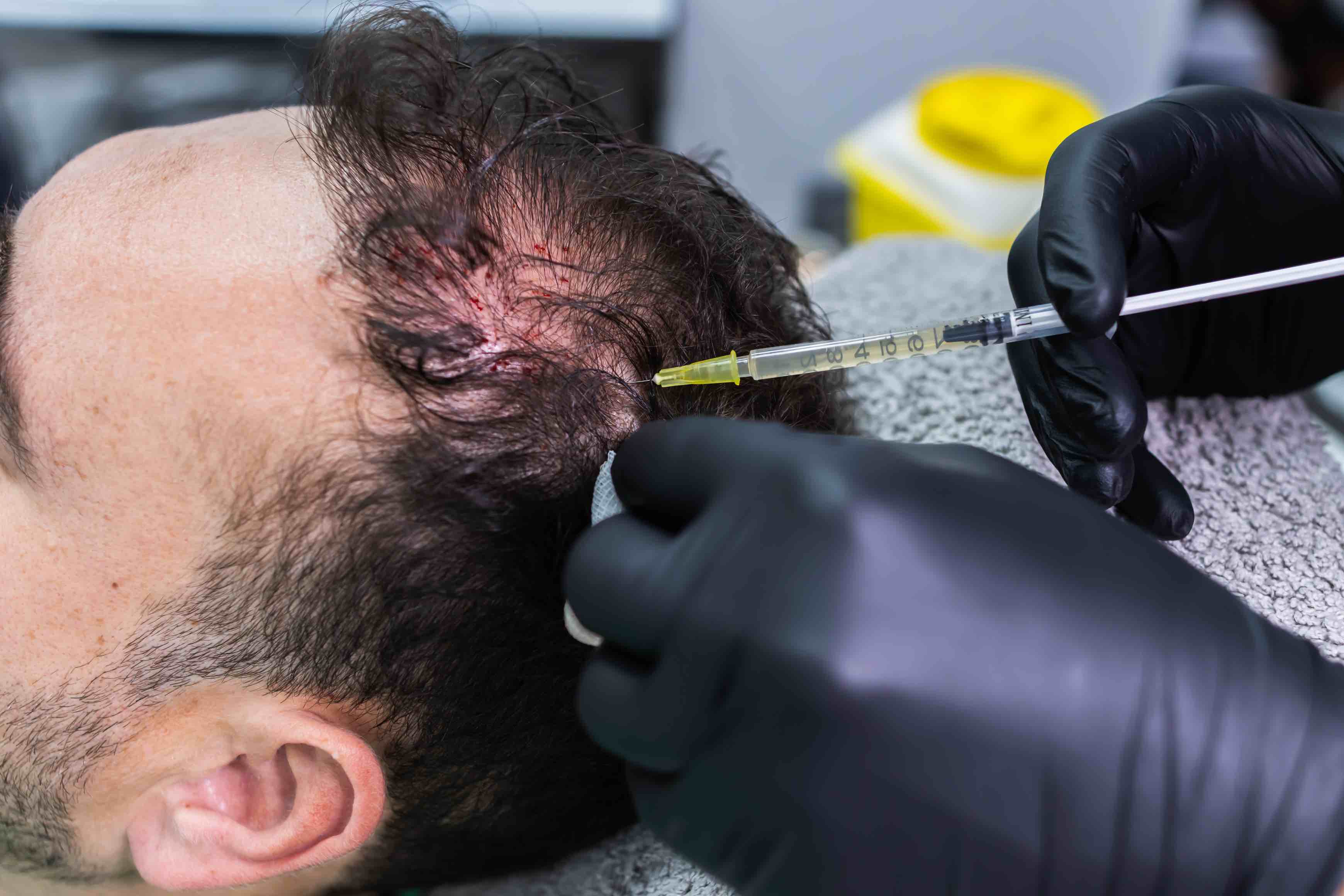
In the scalp, PRP is used to support hair follicle function. Growth factors can improve blood supply to follicles, support the hair growth cycle and help prolong the active growth phase.
PRP does not create new hair follicles. Its role is to support existing follicles, improve hair calibre and reduce shedding in suitable candidates.
PRP may be used alone or combined with other treatments depending on individual goals. It is often paired with skin needling or energy based treatments to enhance delivery and biological response.
Treatment protocols usually involve a series of sessions spaced over time to support ongoing regenerative signalling.
PRP may be considered for individuals seeking:
• Improvement in skin quality and firmness
• Support for collagen stimulation
• Enhanced healing after procedures
• Early hair thinning or increased shedding
• Regenerative treatments using autologous material
PRP is not a filler, a toxin or a resurfacing treatment. It does not deliver immediate cosmetic change and it does not stop the ageing process. Its role is supportive and regenerative, working with the body’s natural repair mechanisms.
-
Written by Dr Brandon Kober-Brown MBBS, ProfDipMensHlth, GCCM
Registered Medical Practitioner (General Registration)MED0002581903
Disclaimer: This article is intended for general educational purposes only and should not be taken as personal medical advice. It is not a substitute for a consultation with a registered medical professional. Suitability for PRP and other treatments varies between individuals and should be assessed by an appropriately qualified practitioner.


Potts Point Clinic
Shop Ground 2 / 46a Macleay Street Potts Point NSW 2011