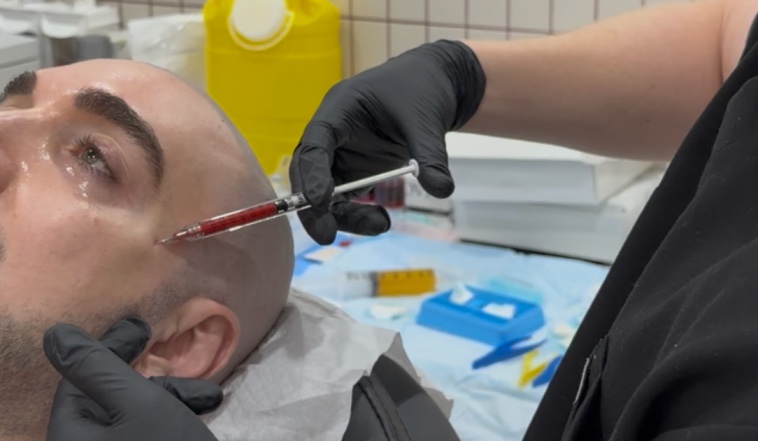
Skin needling, also known as collagen induction therapy, is a medical procedure designed to stimulate the skin’s natural repair processes. When performed correctly, it can improve skin texture, tone and structural quality over time by encouraging controlled collagen production.
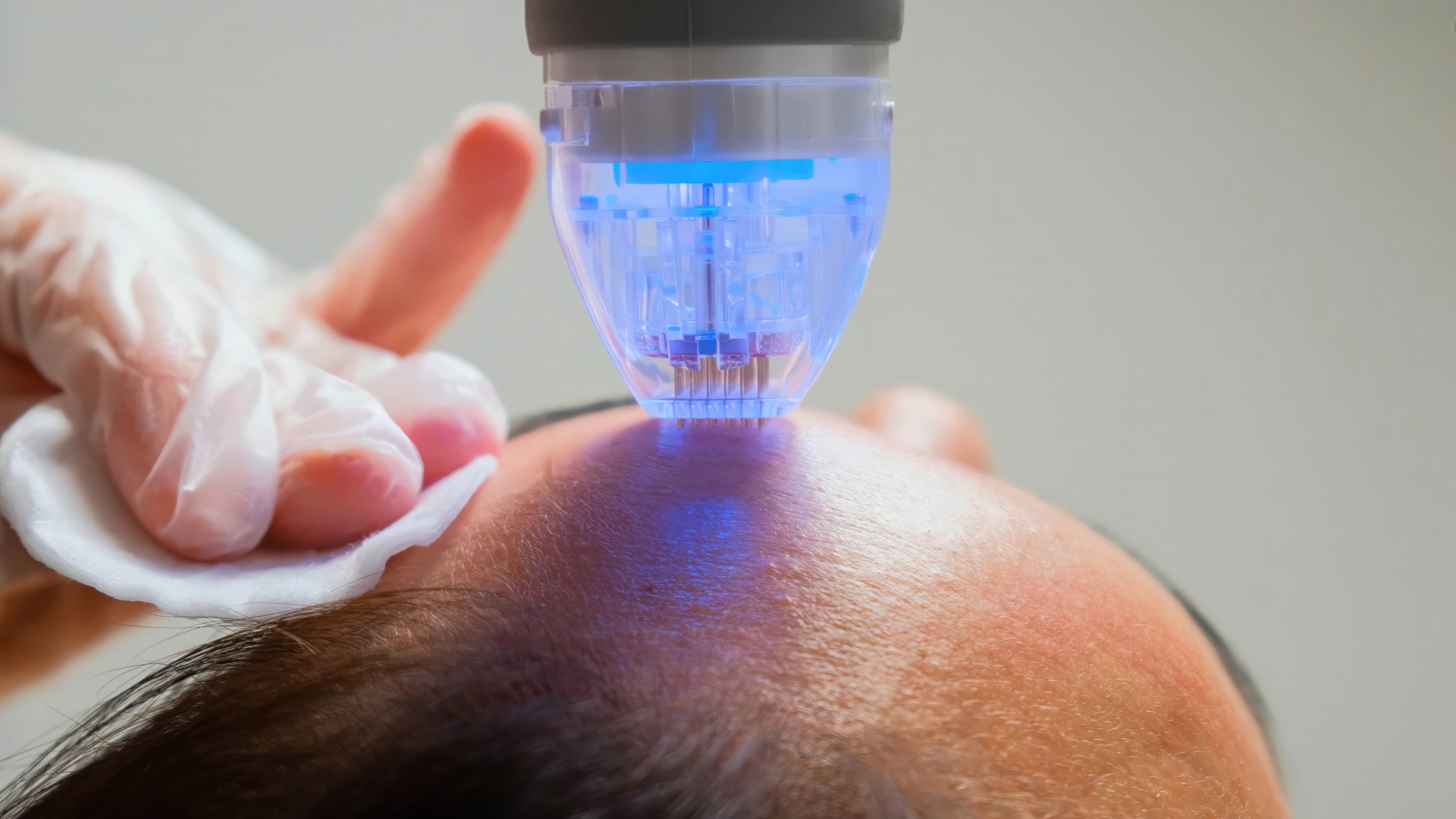
Skin needling uses fine, sterile needles to create thousands of microscopic channels in the skin. These micro injuries are deliberate and carefully controlled. They do not damage the skin in a destructive way. Instead, they activate a wound healing response.
This response occurs in stages.
First, the skin recognises injury and initiates inflammation.
Second, fibroblasts are activated and begin producing new collagen and elastin.
Third, remodelling occurs as newly formed collagen reorganises and strengthens the skin structure.
This process is why results are gradual rather than immediate.
The depth of needling determines which layer of the skin is stimulated. Superficial treatments focus on texture, tone and product penetration. Deeper treatments target collagen induction in the dermis.
Depth selection depends on the concern being treated, the area of the face or body, skin thickness and healing capacity. Too shallow and results are limited. Too deep and risks increase. This balance is why professional assessment and technique matter.
Skin needling is commonly used to support improvement in:
• Acne scarring
• Fine lines and early wrinkles
• Pigmentation irregularities
• Enlarged pores
• Overall skin firmness and quality
It is not a one off treatment. Results develop over weeks to months as collagen builds and reorganises.

Why results take time
Collagen production is slow. New collagen fibres take time to form, mature and align properly. This is why patients often notice progressive improvement rather than an instant change.
Multiple sessions are usually required to achieve meaningful and lasting results.
Why professional skin needling matters
Medical skin needling is different from at home devices. Clinical treatments involve controlled depth, sterile technique, appropriate spacing of sessions and careful aftercare.
Improper technique or inappropriate devices increase the risk of infection, pigmentation changes and scarring, particularly in higher risk skin types.
Who should avoid skin needling or be assessed carefully
Skin needling is not suitable for everyone. Caution or avoidance is required in people with:
• Active infection or inflamed acne
• Certain inflammatory skin conditions
• Impaired wound healing
• Recent isotretinoin use
• Pregnancy in some treatment areas
A consultation allows these factors to be assessed properly.
How skin needling fits into a broader skin plan
Skin needling works best when it is part of a structured approach. This often includes:
• Appropriate skincare to support healing
• Sun protection to protect new collagen
• Treatment spacing to allow remodelling
• Combination with other collagen stimulating therapies when indicated
When used thoughtfully, skin needling is a powerful tool for long term skin quality rather than short term surface change.
-
Written by Dr Brandon Kober-Brown MBBS, ProfDipMensHlth, GCCM
Registered Medical Practitioner (General Registration) MED0002581903
Disclaimer: This article is intended for general educational purposes only and should not be taken as personal medical advice. It is not a substitute for a consultation with a registered medical professional. Suitability for skin needling and other treatments varies between individuals and should be assessed by an appropriately qualified practitioner.


Potts Point Clinic
Shop Ground 2 / 46a Macleay Street Potts Point NSW 2011